10. ARCHIVE
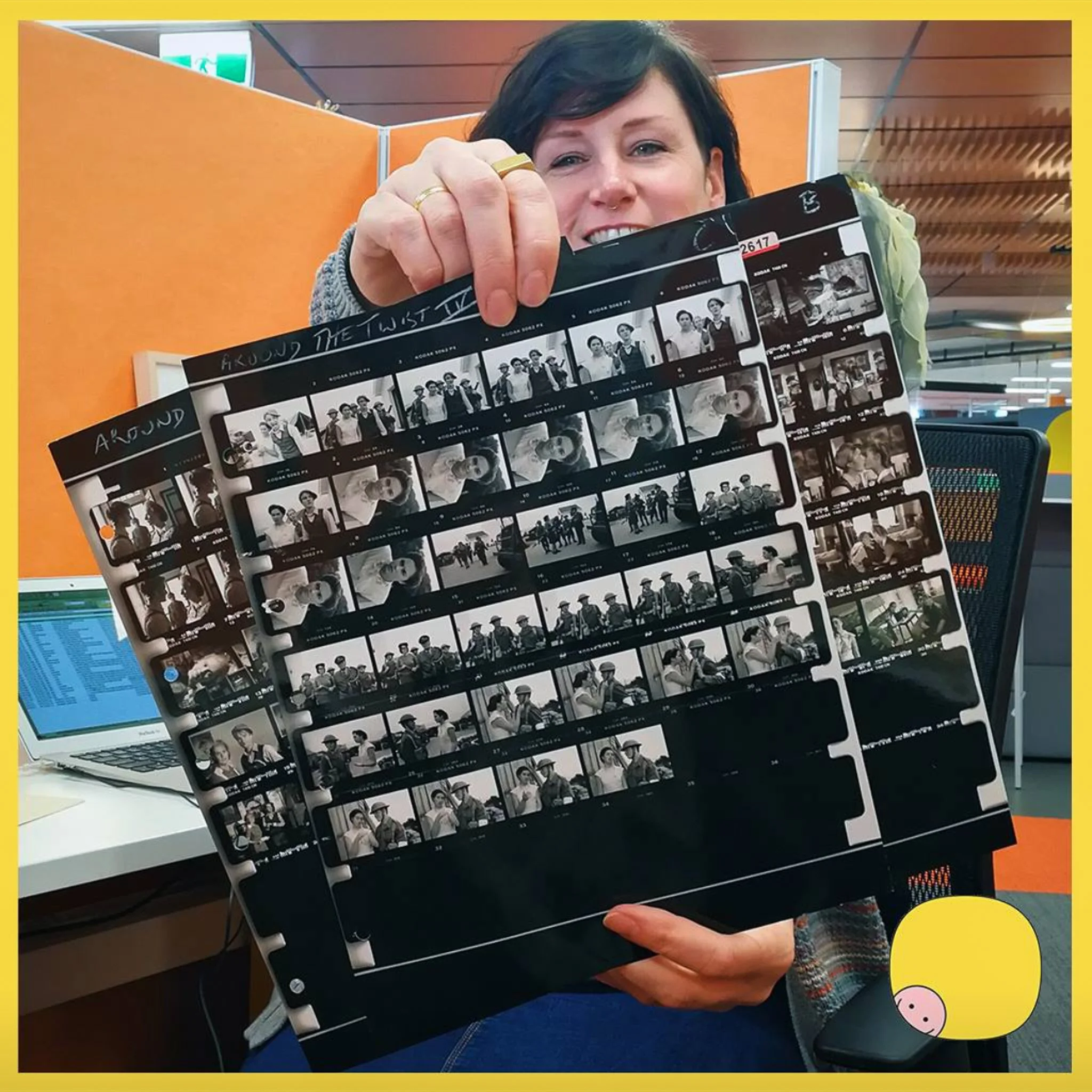
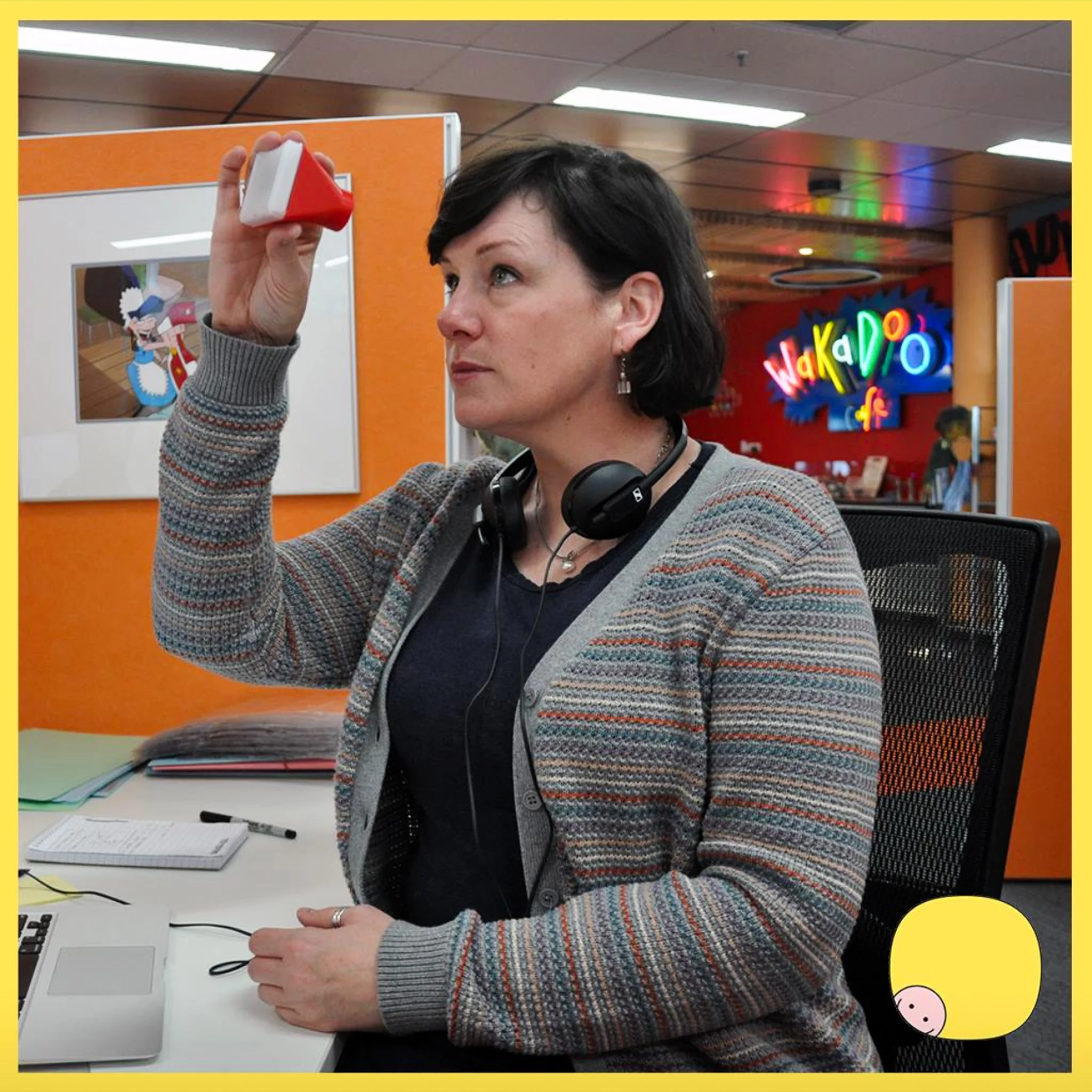
I’m what they call a late bloomer. I didn’t love AC/DC until my 30s. I still don’t know what I want to do when I grow up. And I didn’t watch Round The Twist until I was proper OLD. In early 2018 a mate who I went to art history school with in Canberra got in touch to see if I was interested in working on an archiving project for the Australian Children’s Television Foundation.
Ahhh… YEAH!
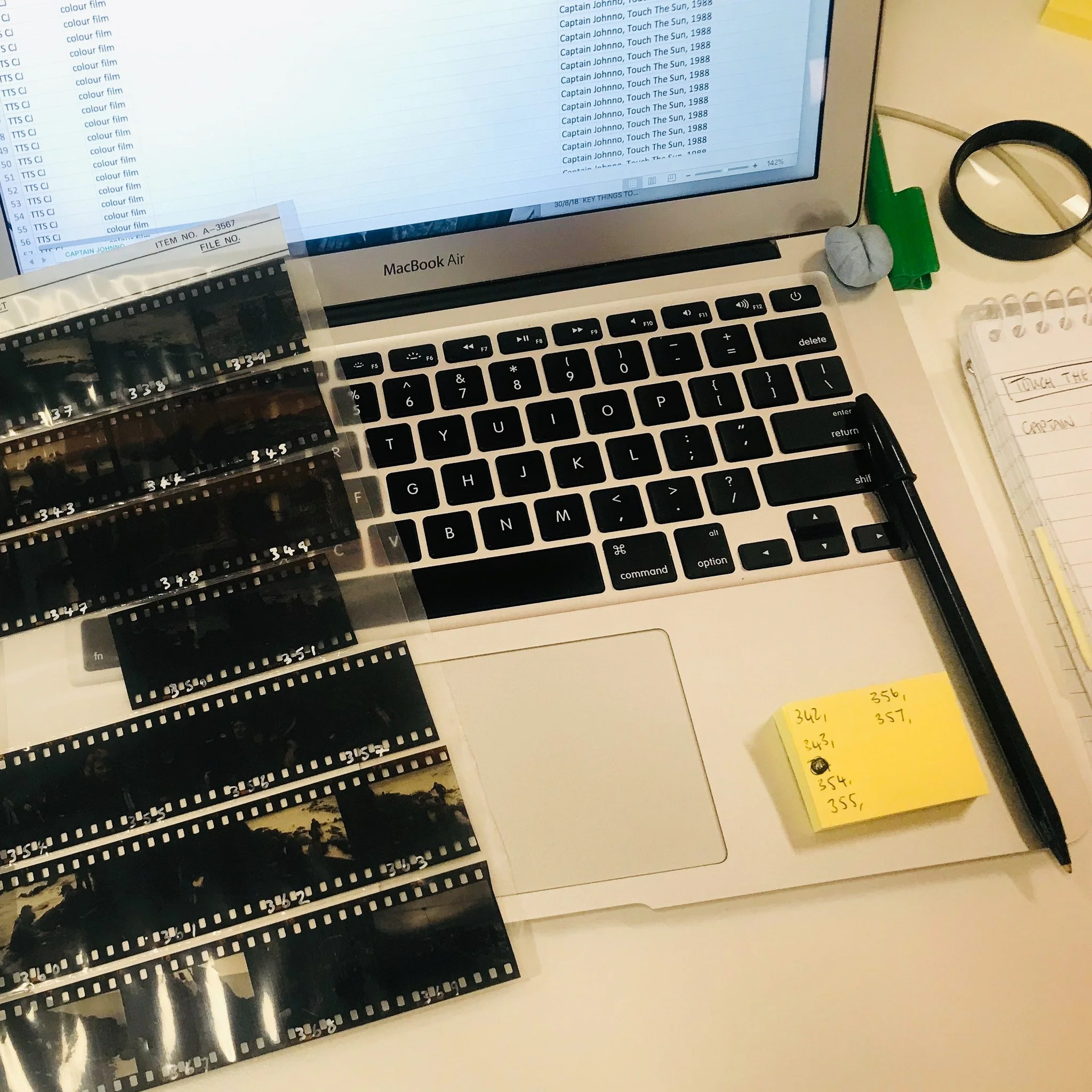
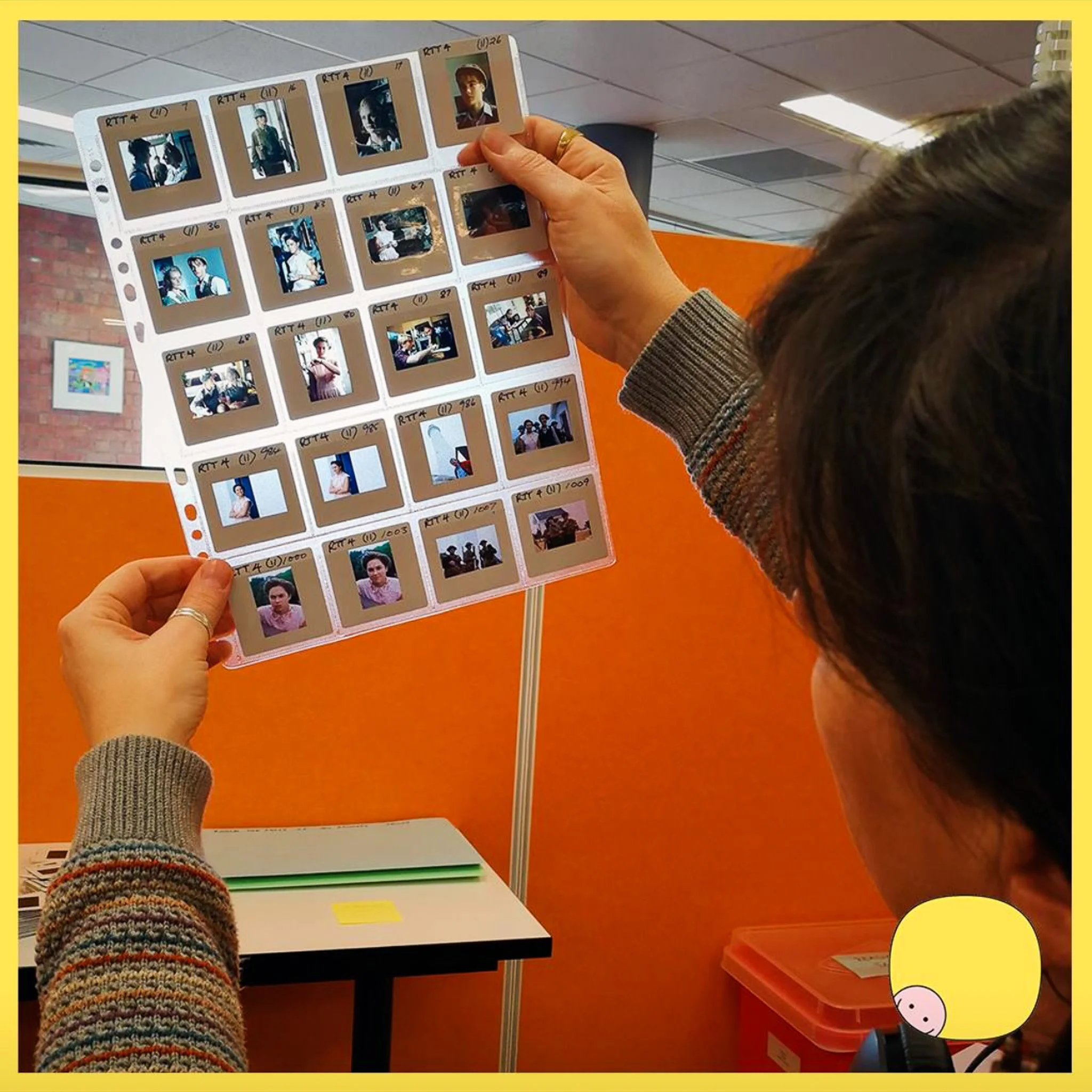
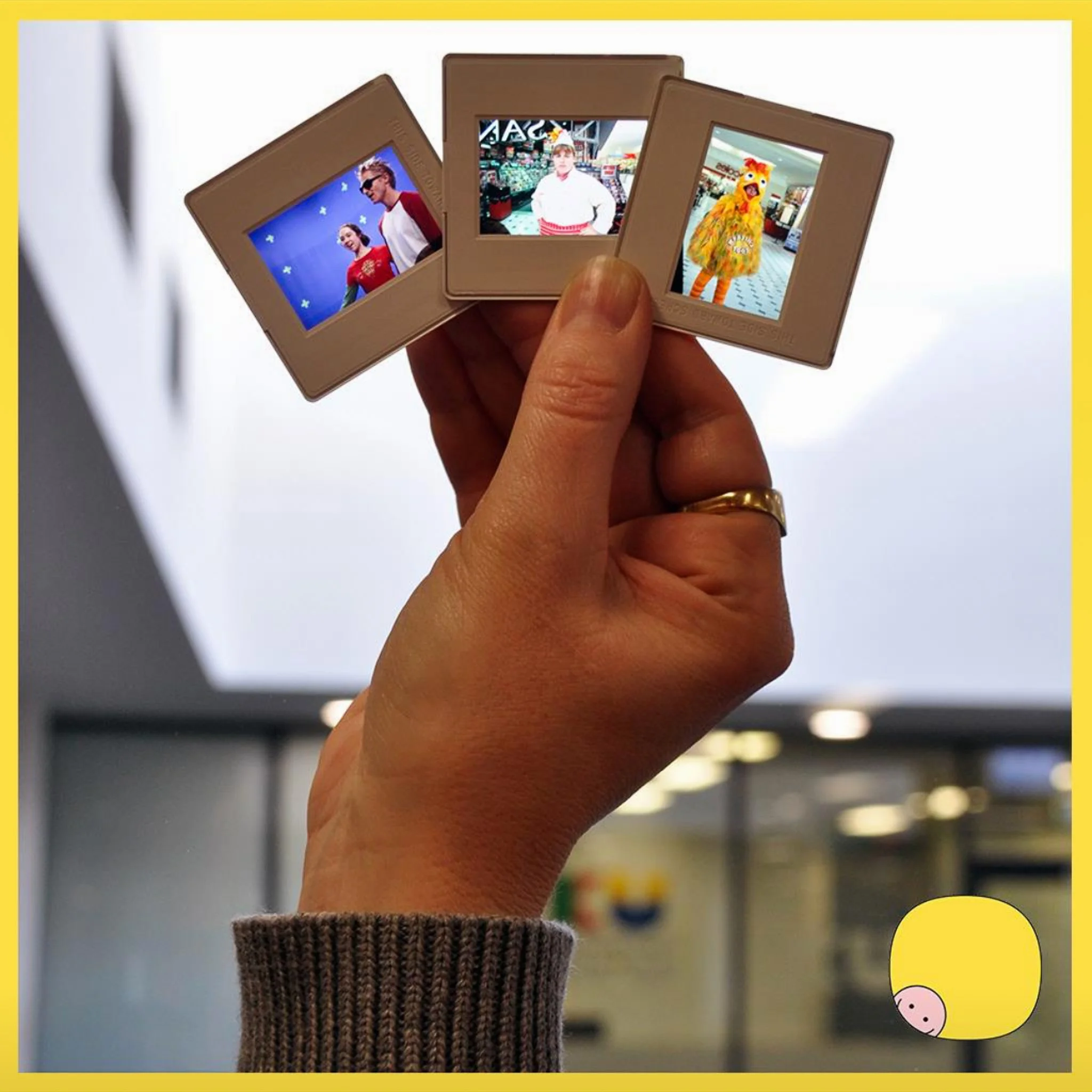
The brief was to organise 40 years of the photographic history of the foundation and get it ready for digitisation and storage. I was pointed at a row of filing cabinets bursting at the seams with press kits, set photos, event photos, slides, brochures, flyers, contact sheets, staff and puppet portraits and original art works. My new boss said the best way to get acquainted with the contents was to watch the whole back catalogue of shows.
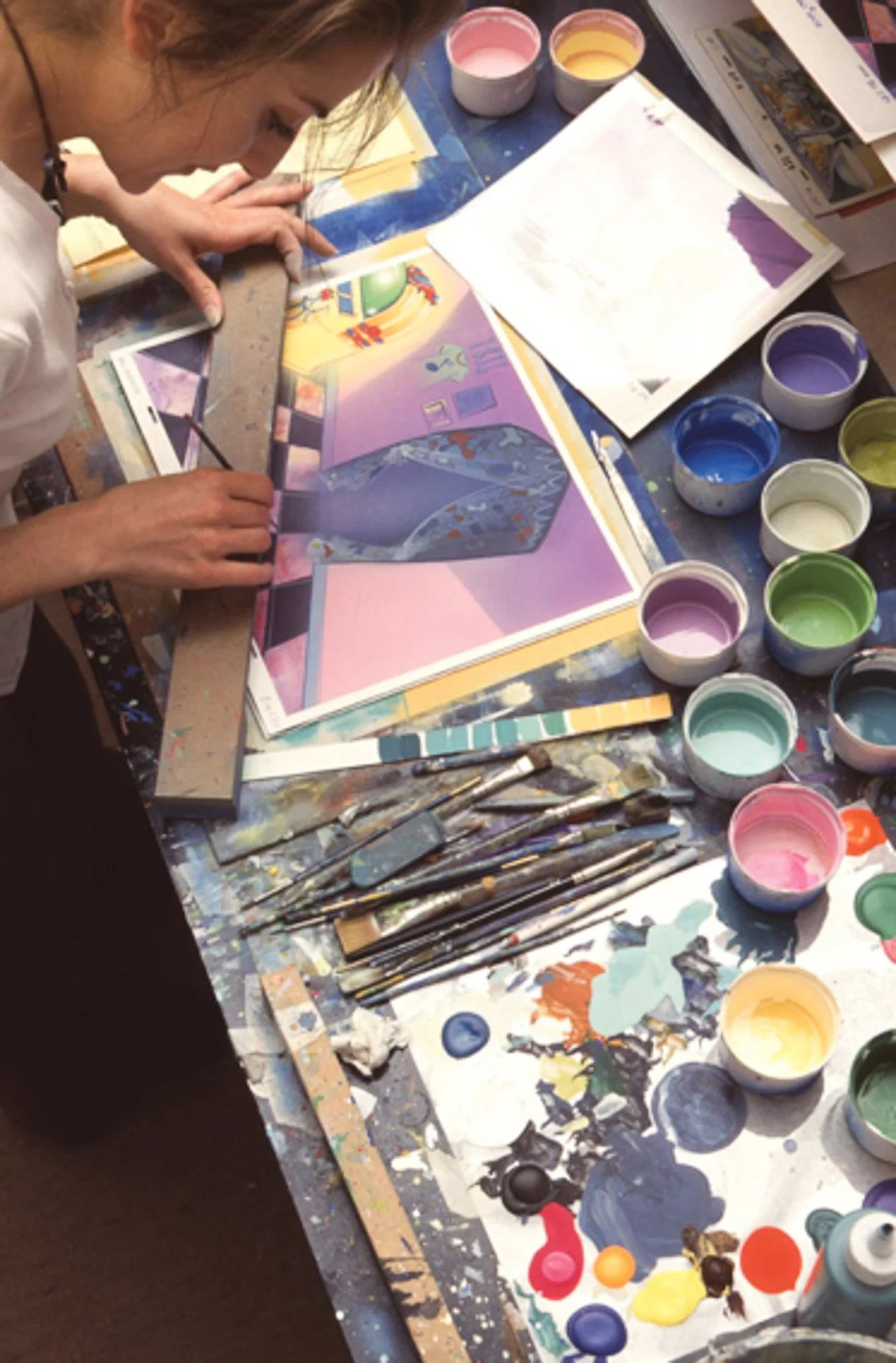
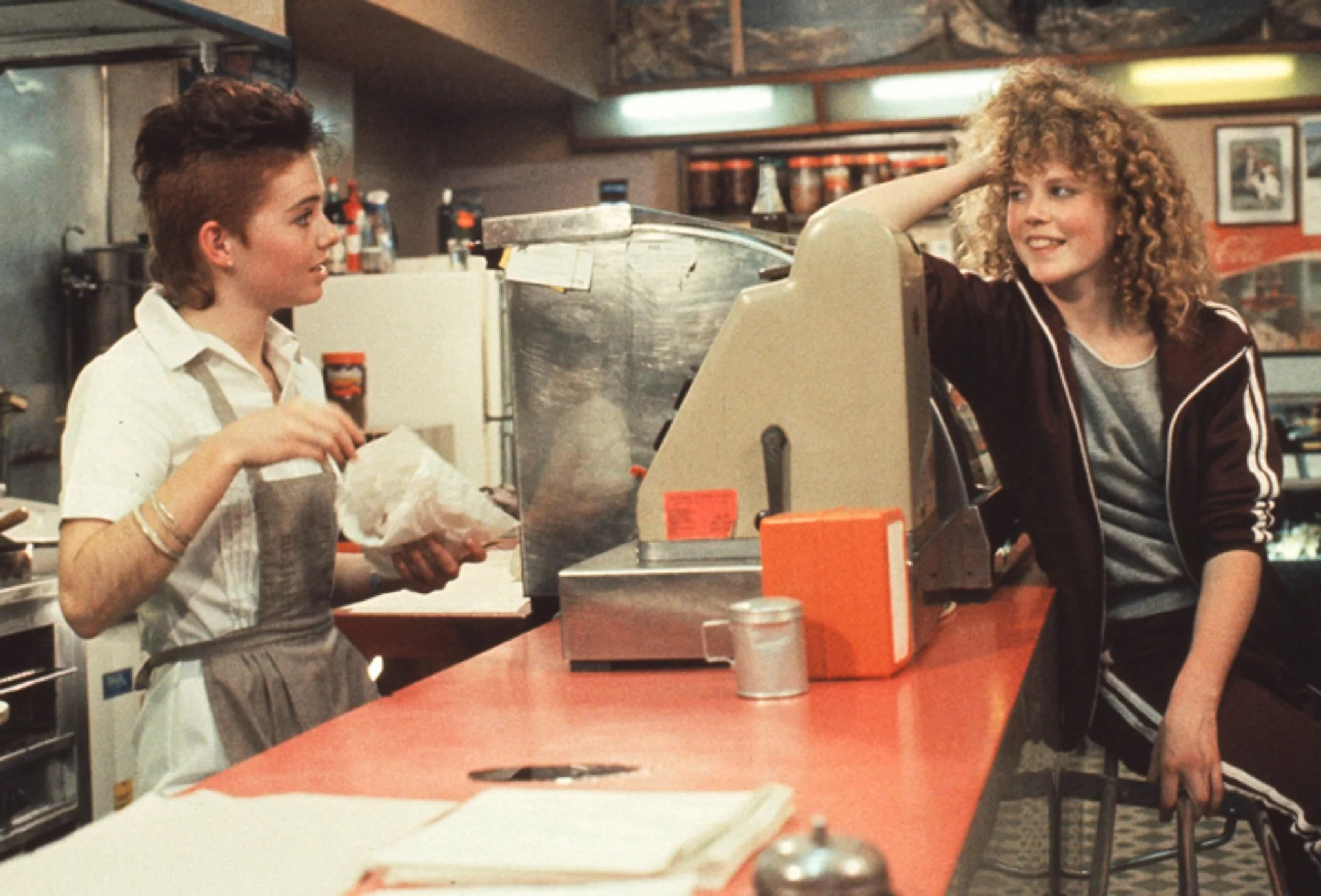
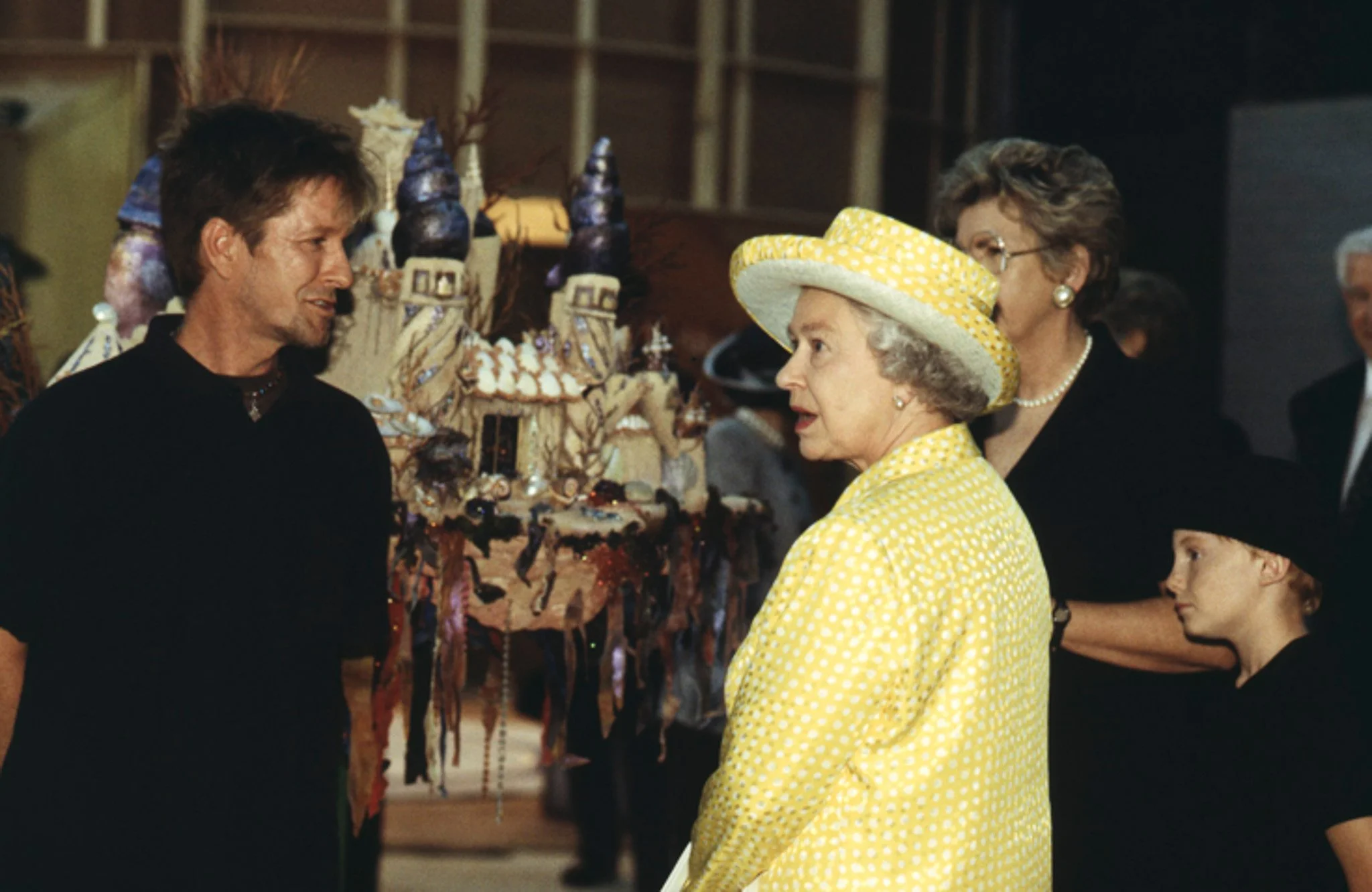
The plan was to pick a show, grab all the folders and loose bits and pieces associated with that show, put in my headphones and hit play. While I watched a show I would sort and weed and clean and accession all of the associated items. Many of the images were from set photographers who were covering all the action during scenes as well as getting shots of the actors all dressed up. Others were shots of famous faces visiting the office or a set. Some were shots of artists at work. It was such a privilege to see the creative machine behind the shows.
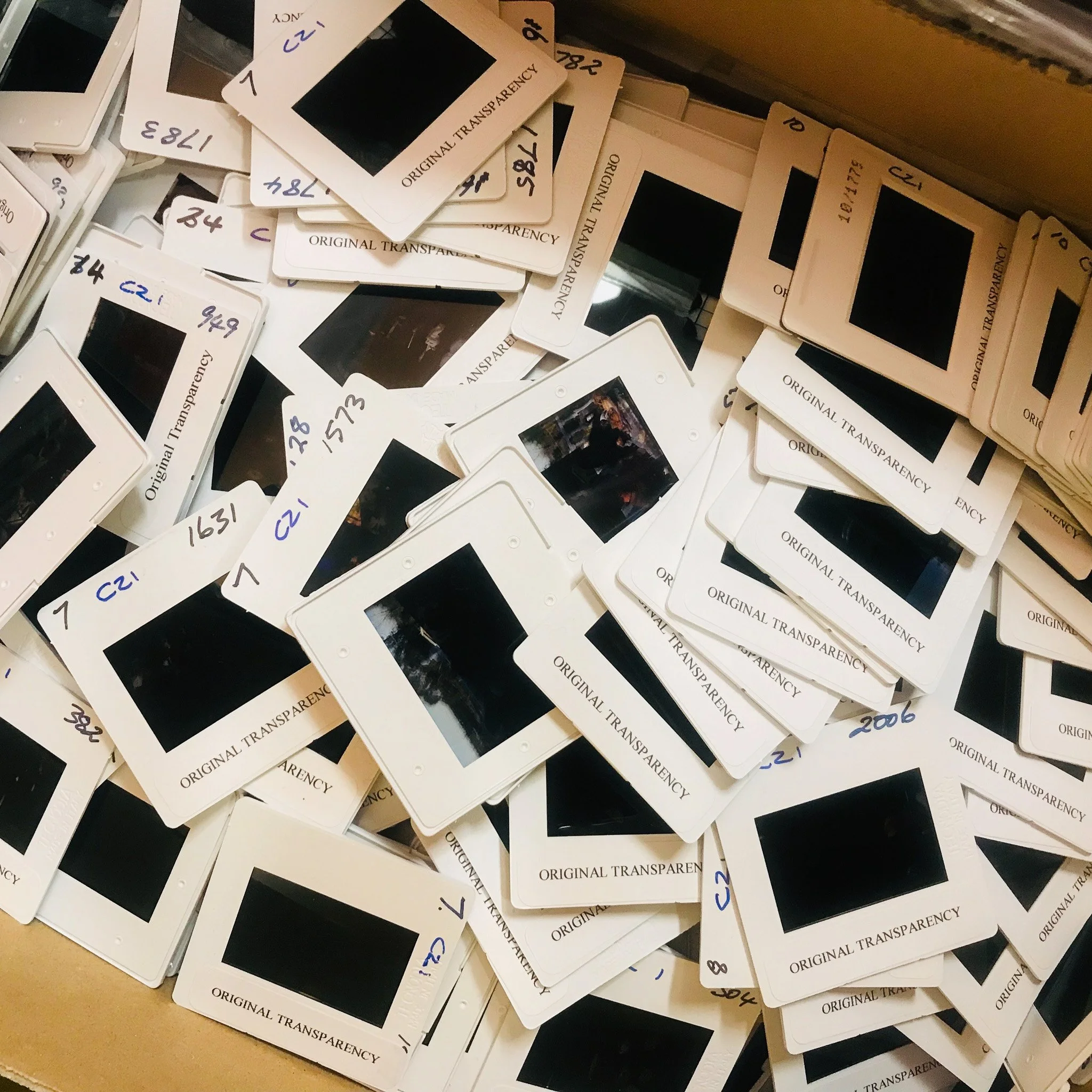
The closest thing to a problem were the duplicates. Back in the day instead of digital files we would expect today press kits and marketing images would be mailed out to promote the show so this meant many many copies of each item - usually slides - were made. Over the years those folders were raided for this or that image so many of the folders were not complete. I might have 1 copy of one image or I might have 23.
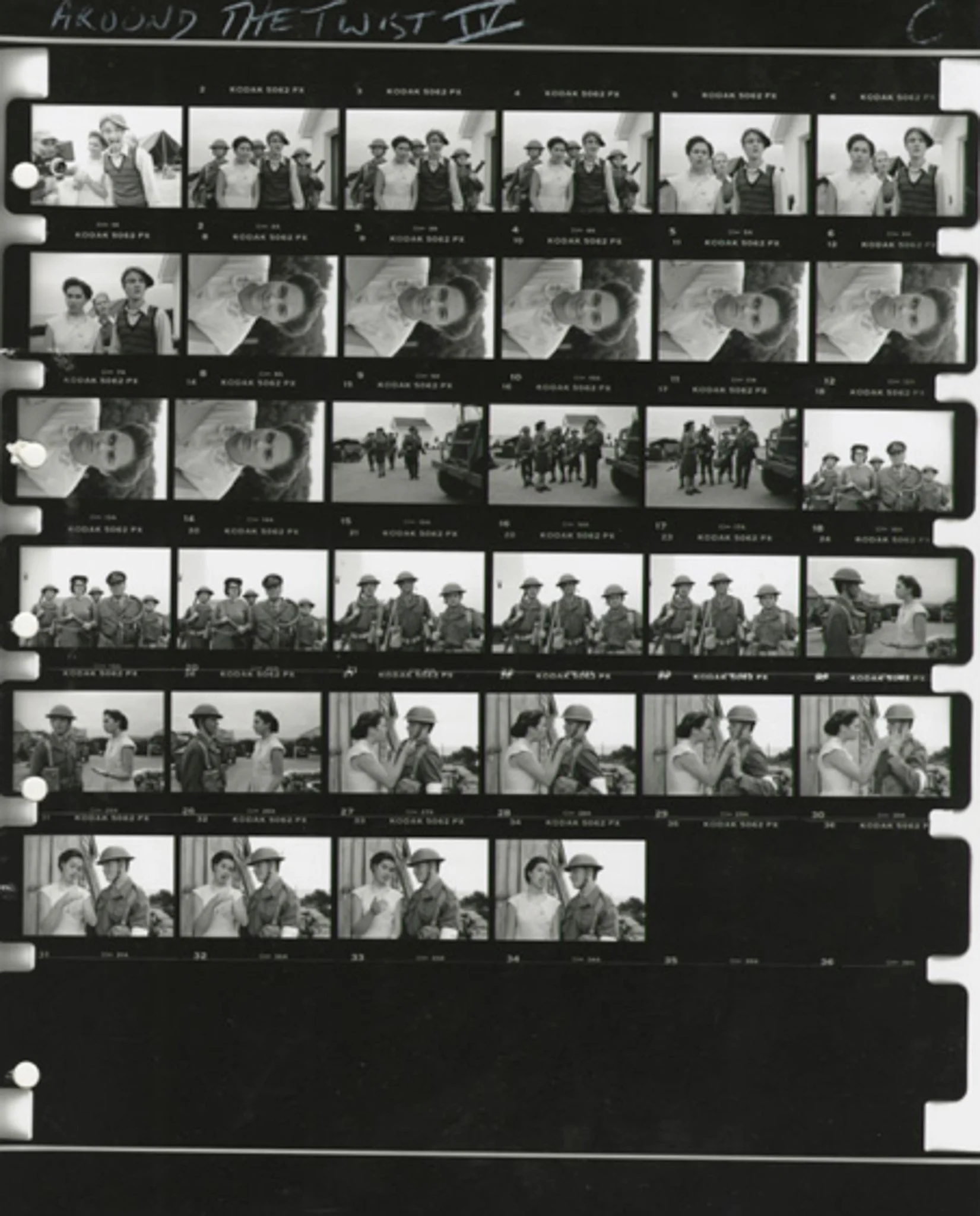
The most straight forward scenario started with contact sheets that I could use to put the collection back in order to reflect the photographer’s workflow on the day. Once I was satisfied I had everything straight I could easily identify the duplicates and prepare them to be destroyed. More complicated scenarios were mixed media items - so brochures, posters, slides, printed photos etc… that would take a little bit more thought into how best to order the items as well as house them. The next step was to clean, label and then send them off to Michael’s in Melbourne to be digitised. Once returned the images were housed in gorgeous black Mylar archive boxes and put on a shelf for easy access. Which is an incredibly satisfying thing to do. My toes are curling just to think of it.
It was absolute archive nerd nirvana.